

Jersey Numbers & Identity
No other item in sports carries as much meaning in two digits. A football jersey number is simultaneously an officiating tool, a positional map, a marketing asset, a piece of family property and — if things go right — a permanent part of how a city remembers a player. Few fans could recite the NFL rulebook. Almost every fan could tell you which number belongs to whom.
That tension is the interesting part. The number is one of the most regulated elements of the sport, and yet the value fans attach to it has nothing to do with the regulation at all.
What an NFL jersey number is actually for
Strip the romance away and a jersey number is an identification system with a legal consequence attached. In American football, every player dressed for a game must wear a unique number between 0 and 99, displayed on the front and back of the jersey and, since 2018, mandatorily on the shoulders as well.
The reason the number matters beyond identification is the ineligible receiver rule. Players wearing numbers 50 through 79 are, by rule, not permitted to catch or deliberately touch a forward pass while their team has the ball, and cannot line up in a position that would let them do so — unless they report to the referee as playing out of position, which is announced to the stadium and the defense. That is why you occasionally hear an official call out that a numbered lineman has reported as eligible.
So the number is not decoration. It tells officials, opponents and the audience, before the snap, who is allowed to do what.
The position map, and why it exists
Because eligibility is tied to numbers, the league long ago tied numbers to positions. The system was built informally out of the single-wing offense, traveled into the T-formation as positions evolved, and only became mandatory in 1952, when the AAFC merger left the league full of contradictory numbers. 1973 standardized the framework that still stands — lightly amended ever since.
| Number range | Who may wear it |
|---|---|
| 0–19 | Quarterbacks, punters, placekickers |
| 0–49 | Defensive backs; also punting and kicking specialists |
| 0–49 & 80–89 | Running backs, fullbacks, tight ends, H-backs, wide receivers |
| 0–59 & 90–99 | Linebackers |
| 50–79 | Offensive linemen (unchanged — and still ineligible by number) |
| 50–79 & 90–99 | Defensive linemen |
Amendments have loosened the map in one direction only — more options, fewer walls. Wide receivers gained access to the 10s in 2004. Linebackers were opened to the 40s in 2015, a change fans quickly nicknamed the Brian Bosworth rule, after the linebacker who wanted 44 and was ordered to 55; defensive linemen gained the 50s in the same round. In 2021 most non-linemen were opened to numbers 1 through 49. In 2023 the league went further and permitted zero, while also allowing kickers and punters to wear anything from 0–49 and 90–99.
Every relaxation makes the jersey more personal to the player and less informative to the fan. Number ranges were a free shortcut to position; that shortcut has been steadily dismantled since 2004.
Zero, double-zero and the strangest rule in jersey history
Zero is the only number in the sport with a genuinely odd legal history. It was issued in professional football long before the modern system — the most famous example being Oakland Raiders center Jim Otto, who wore "00" for most of a Hall of Fame career, and wide receiver Ken Burrough of the Houston Oilers. After the 1973 standardization, both 0 and 00 were shut out. Double-zero remains prohibited to this day, but the single zero returned for the 2023 season, following the Philadelphia Eagles' proposal — with offensive and defensive linemen still excluded.
The timing is a useful reminder of how long these gaps get: reports at the time noted that any player wearing 0 or 00 in 2023 would be the first to do so since 1981.
Retired numbers: the league's quiet discouragement
Fans think of retired numbers as sacred. The league office has historically treated them as a supply problem. The NFL officially discourages retiring jersey numbers — with 99 legal numbers and 53 players to dress on game day, a franchise that retires freely can run out of options at a specific position. The rulebook carries an escape hatch: teams are required to make a retired number available again if they exhaust the numbers allowed for a position.
That is why NFL retirement is a curated list of a few dozen names rather than a universal honor, and why the numbers that do come down carry unusual weight.
Seattle's No. 12 is the best argument that a number can mean more than a player. On December 15, 1984, the Seahawks retired No. 12 in honor of the fans, becoming the first team in the league to retire a jersey for people who never take a snap; the number is now permanently reserved for the "12s."
Changing a number is a business decision
Because a player's number is tied to his name in retail terms, switching it is a commercial event, not a wardrobe change. When Calvin Ridley joined the Jacksonville Jaguars in 2023 and claimed No. 0, he became the first current player to take advantage of the new rule — and he did it publicly, because the announcement itself is worth something.
Young players usually inherit a number, rookies often pay a veteran for one, and a star finally getting "his" number is treated as a milestone. None of it changes a single play on the field. All of it changes how the player is remembered.
Why the number outlives the season
Here is the part that no rulebook explains. A jersey is the only purchase a fan makes that is permanently stamped with a specific moment in a team's history. Buying a jersey fixes you to a season, a color scheme, a supplier and a roster. The number is what makes that timestamp legible.
It also makes a jersey a decision rather than a decoration. A number tied to a player is an argument about him; a number tied to a team — or, in the case of the 50s and 60s on the offensive line, to a job — is an argument about something broader. Both are legitimate. They are just different kinds of fandom, and the shirt says which one you chose.
The number itself has traveled a long way to reach you — from wool sweaters and improvised numerals to five-ounce engineered knit, as we trace in how NFL jerseys have changed over the decades. And choosing a number is often a choice between two versions of the same franchise, which is the argument behind why throwback designs keep standing out.
Numbers you can put on yourself
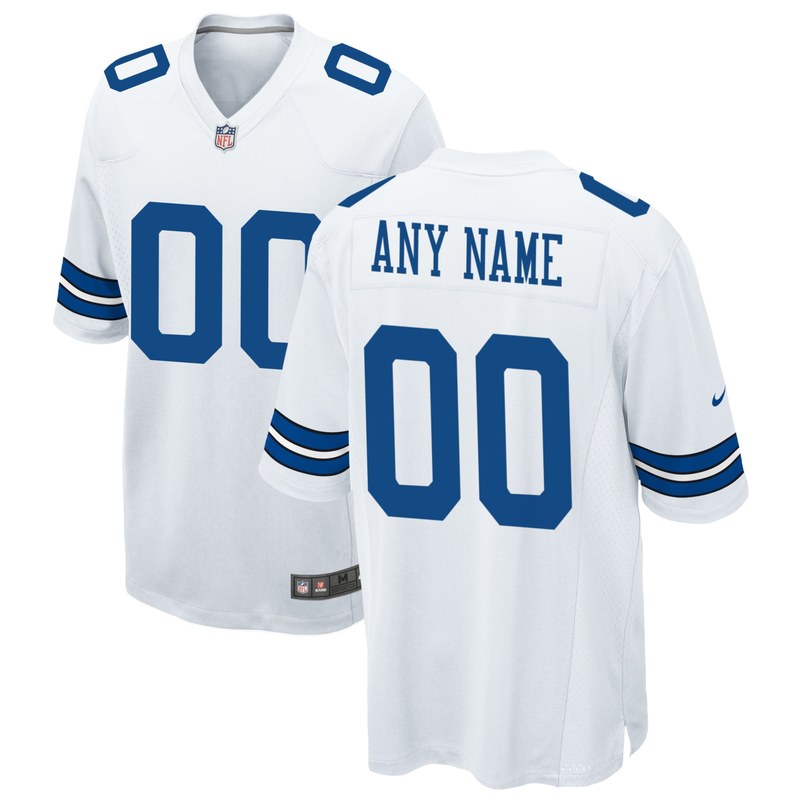
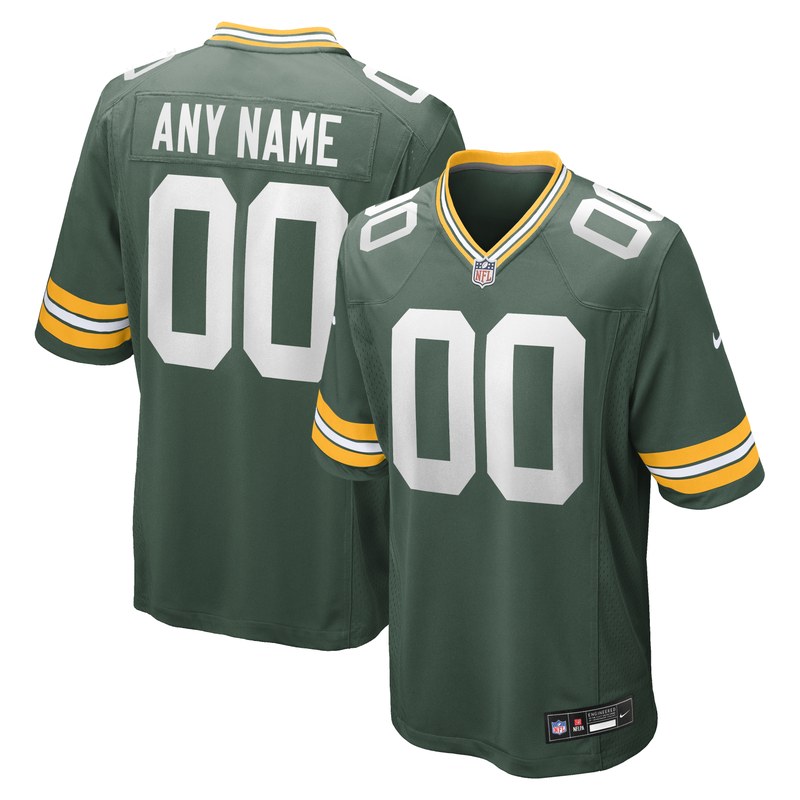
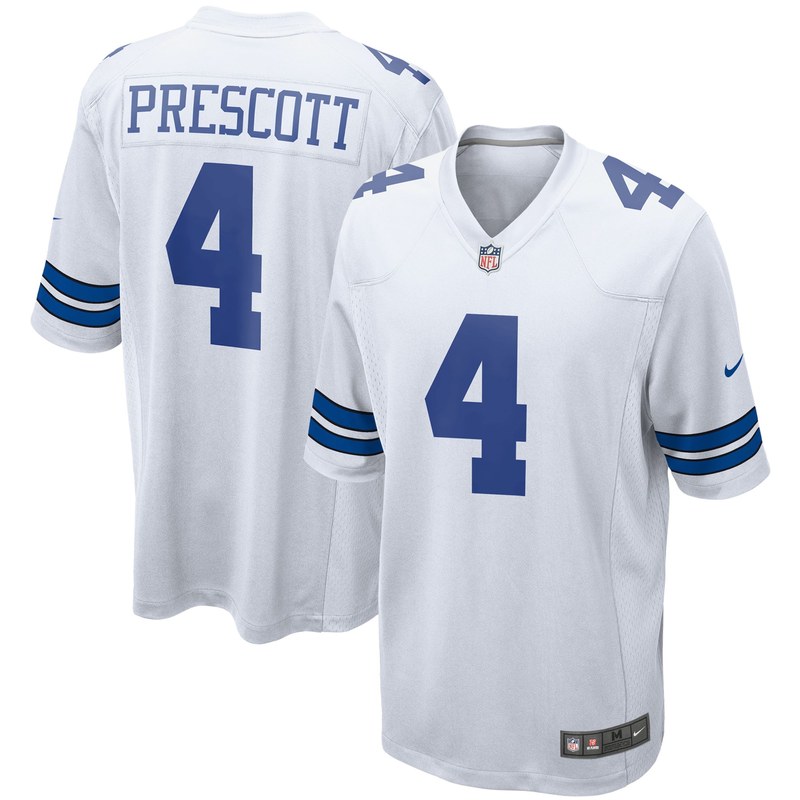
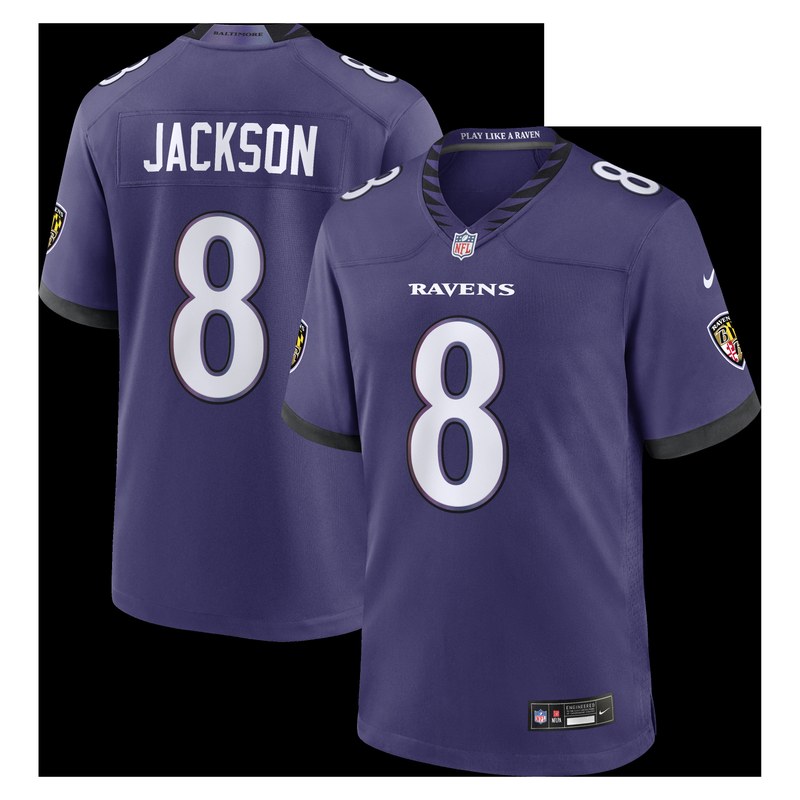
4 jerseysCustom jerseys take any number, in any of the cuts below.
Quick answers
What numbers can an NFL quarterback wear?
Since the 2023 rule change, quarterbacks may wear 0 through 19. Before that, the range was 1–19; the single zero became available when owners approved the Philadelphia proposal to permit zero as a numeral.
Can an NFL player wear 00?
No. Double-zero has been prohibited since the league standardized its numbering in 1973, even though it was worn in the decades before that — most famously by Oakland Raiders center Jim Otto. A single zero was re-legalised in 2023; double-zero was not.
Why can't offensive linemen catch passes?
Players wearing numbers 50–79 are ineligible by rule to catch or deliberately touch a forward pass while their team is in possession, unless they report to the referee as playing out of position for a tackle-eligible play. The number tells officials who is eligible before the ball is snapped.
Do NFL teams have to retire jersey numbers?
No, and the league officially discourages it. The rulebook requires teams to make a retired number available again if they run out of legal numbers at that position, which is why retiring a number in the NFL is treated as an exceptional honor rather than a routine one.
Can a player change his jersey number?
Yes, subject to the position ranges. Players typically change numbers when they join a new team, buy a number from a teammate, or inherit one after a veteran departs. Because the number is tied to merchandise, a change is normally announced as news.
Number ranges and eligibility rules above reflect the NFL's approved playing rules, including the 2021 and 2023 amendments. Rules are reviewed each offseason and can change.